Organization Tips · 4 min read
How to choose visual or hidden storage that works for you
Choose visible storage when seeing belongings helps you remember and return them, and hidden storage when clear surfaces make a space easier to use. Separately decide whether broad groups or detailed compartments help. Test one setup in an ordinary week rather than treating an organizing style as a fixed personality type.
This guide helps when a tidy-looking system is awkward to maintain or people sharing a home prefer different arrangements. You will compare actual retrieval and return effort before buying more containers.
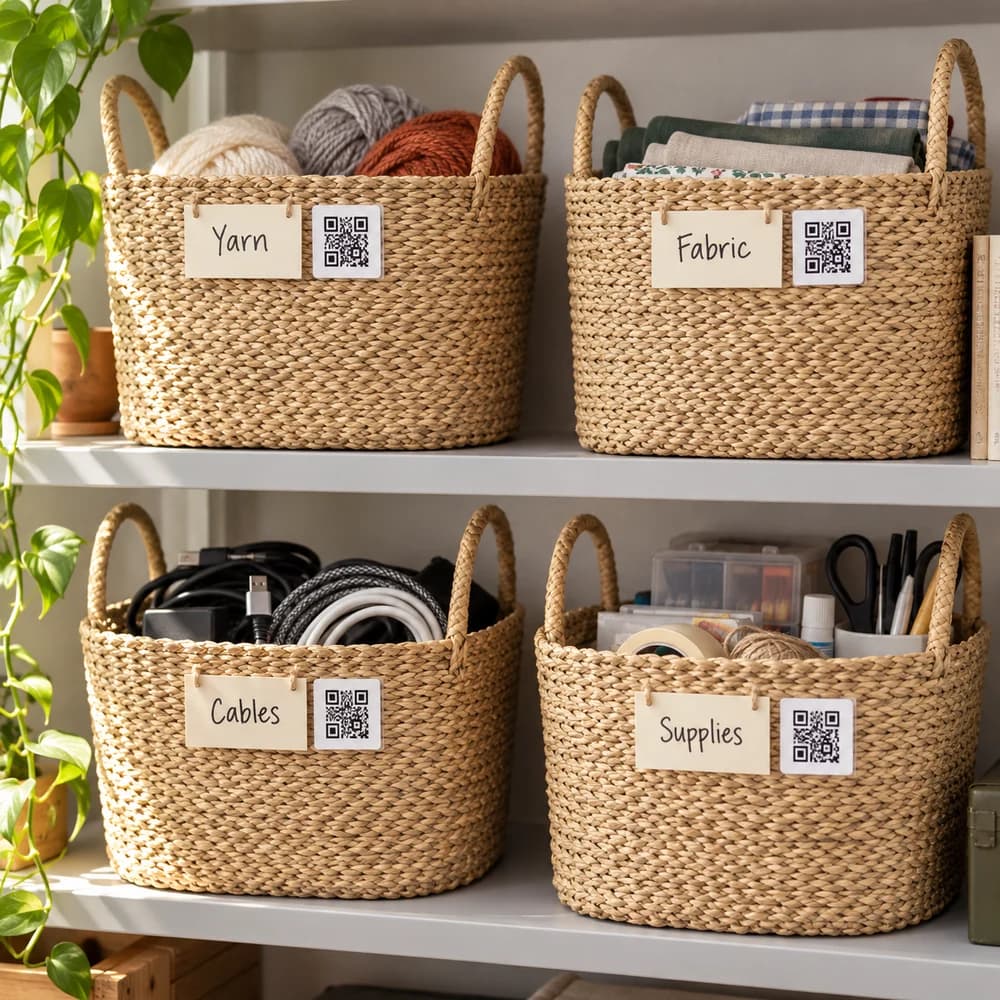
What is the difference between visible and hidden storage?
Visible storage lets you see an item or its contents; hidden storage conceals them behind a drawer, door, or opaque container. Either can work with broad categories or detailed compartments.
Cas Aarssen’s Clutterbug framework describes these combinations as Butterfly, Bee, Ladybug, and Cricket. Treat the names as prompts for trying a system, not clinical categories or permanent descriptions of a person.
| Combination | Clutterbug name | Possible setup |
|---|---|---|
| Visible, broad groups | Butterfly | Open basket for current craft supplies |
| Visible, detailed groups | Bee | Clear drawers for separate fastener sizes |
| Hidden, broad groups | Ladybug | Drop-in basket inside a cabinet |
| Hidden, detailed groups | Cricket | Divided drawer with specific compartments |
How do I test a storage preference in one place?
Change one part of a setup and observe whether finding and returning belongings becomes easier. The result matters more than matching a style label.
- Choose a repeated snag. Pick keys left on a counter or scissors that disappear into a deep drawer.
- Notice the current friction. Count practical barriers: a lid, stacked boxes, tiny categories, or a location far from use.
- Test visibility. Try an open tray or a labeled closed drawer using containers you already have.
- Test sorting detail. Put similar items in one broad group, or separate only the distinctions you actually need.
- Ask every user. Check whether they can locate and return the item without an explanation each time.
- Keep or revise. After an ordinary week, keep the parts that helped and undo the rest.
Can two people use different styles in the same cabinet?
Yes. In this worked example, a shared project cabinet combines broad baskets with one small divided tray instead of imposing a single level of detail.
One person needs to see the current project, while another prefers the cabinet closed after use. A removable open basket holds the active materials on the table during a project, then returns to a reachable shelf. A small clear tray separates needles and other tiny supplies inside the basket.
Both people test the return process. If removing the tray becomes an extra chore, fewer compartments may work better. See storage zones by frequency when the problem is reach or distance rather than visibility.
What should I change when a system looks good but goes unused?
Reduce the actions required to put something away, and check that the storage fits the item and its users. Appearance alone does not show whether a system is useful.
- Too many lids: try an accessible open container where appropriate.
- Too many categories: combine groups until sorting feels straightforward.
- Everything on display: keep frequent-use cues visible while moving less useful visual detail behind doors.
- A shared system chosen alone: let the people using it help choose names, heights, and groupings.
If the immediate need is just a usable surface, a five things reset can come before any storage redesign.
Can hidden belongings still be easy to remember?
A photo record can give you a view into closed storage without leaving everything physically on display. Record the actual place and enough visual detail to recognize its contents.
Binly place photos support visual browsing; named item records help with keyword search. Optional place labels open those saved records. They do not sense new contents, so refresh the photo or location when a change would make the record misleading.
What are the most common questions?
These answers cover the practical choices you can make before expanding your setup.
Can my preference change by room?
Yes. Detailed sorting may help with hardware while a broad basket works for blankets. Choose by the task rather than trying to make every room match.
Are clear boxes always the easiest option?
No. Stacking and awkward lids can make clear boxes hard to use. Test access as well as visibility.
Do I need to take an organizing quiz?
No. You can learn by trying one small change and noticing the result. A quiz can offer ideas, but your actual use is the more useful test.
What if labels do not help another household member?
Try a photo, symbol, or simpler name agreed together. Also check whether the physical return process is too difficult; a clearer label cannot fix an inaccessible shelf.
Should I replace all my containers?
Start with an existing tray, basket, or drawer. Buy a different container only after a small test shows what size and access method would help.
For current plans and limits, see Binly pricing.
What should I do next?
Pick one frequently misplaced belonging and test a visible or hidden home for it. Ask everyone who uses it to try the return process, then keep only the changes that help.
Start with one placeKeep reading: How to choose storage zones by frequency of use.