Organization Tips · 4 min read
How to use the five things tidying method for a room reset
The five things tidying method breaks a room reset into trash, dishes, laundry, things with a home, and things without a home. Handle one group at a time so you do not have to solve every storage question at once. Stop when the space serves your immediate need, even if other tasks remain.
This guide helps when a room feels like too many decisions and you need a usable chair, table, or route through it. You can scale the reset to your energy and available time.
What are the five things in this tidying method?
The five groups are a practical way to simplify a mixed mess, rather than a scientific classification of every object. They separate obvious next actions from belongings that still need a storage decision.
KC Davis describes the framework and her view that care tasks are morally neutral in this Struggle Care conversation. The method is a household tool; it does not require a diagnosis or promise treatment for overwhelm.
Tidying restores use. Organizing chooses a storage system. Decluttering decides what to release. You can tidy today and leave the other two jobs for another time.
How do I reset one area without getting sidetracked?
Pick a small usable target and make separate passes for the five groups. Moving a dish to the kitchen does not require washing every dish before you return.
- Collect obvious trash. Use a bag for ordinary waste. Leave uncertain papers and unfamiliar objects for a later decision.
- Gather dishes. Move cups, plates, and cutlery to their washing area. Finish that separate task later if necessary.
- Gather laundry. Put washable clothes and linens in a hamper. Keep clean belongings separate when you know they are clean.
- Return things with a home. Put familiar items in their known spots without redesigning those spots.
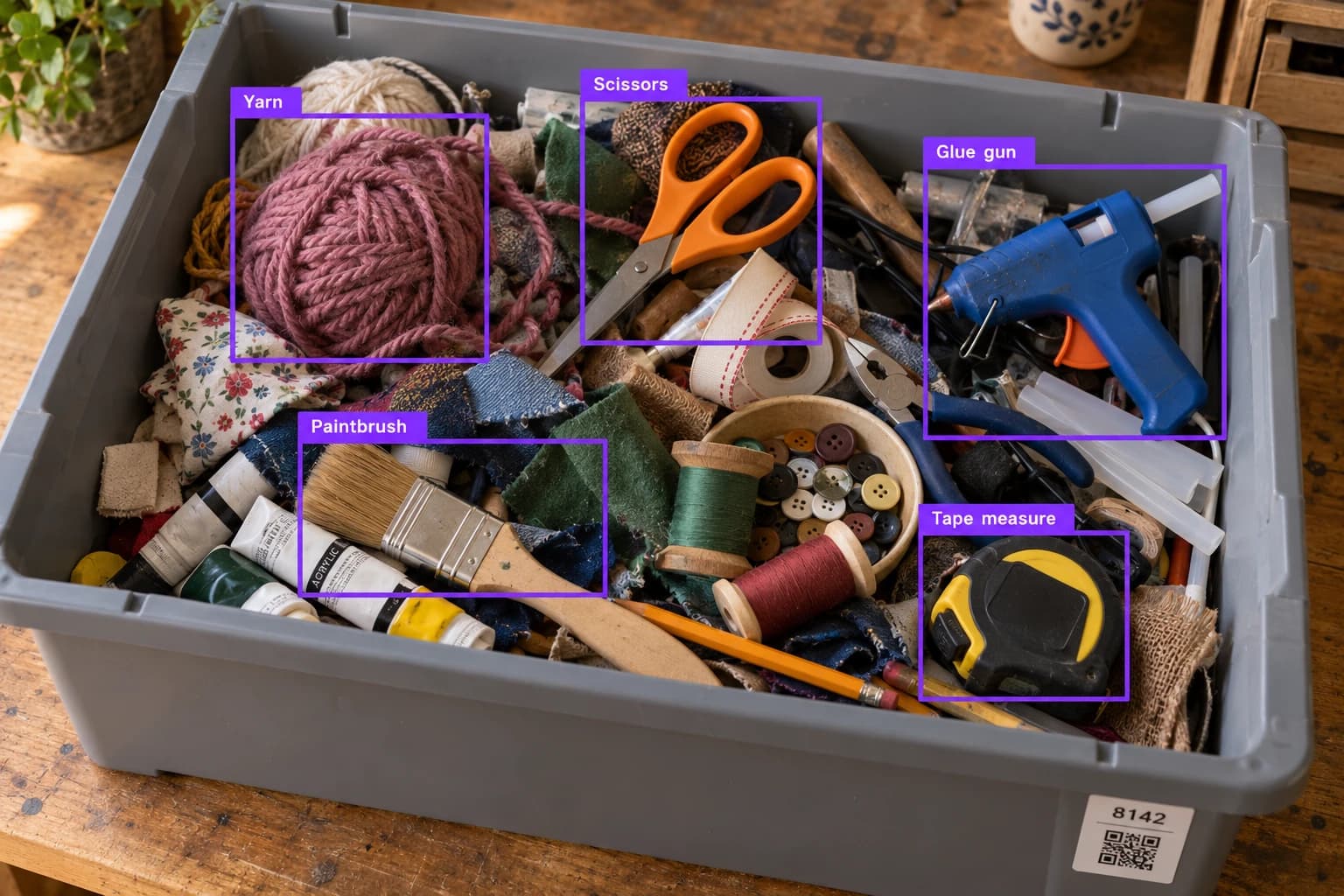
- Contain things without a home. Use one temporary tray or basket. Mark what it is and choose a time to revisit it when that feels feasible.
Pause between passes, ask someone to help carry items, or do only the pass that restores what you need. Avoid creating a larger pile than you can comfortably leave contained.
What does a small living-room reset look like?
In this worked example, the immediate goal is a chair that someone can sit in. The rest of the room can wait.
A wrapper goes in the waste bag, a mug goes to the sink, and a sweater goes in the hamper. A book returns to its familiar shelf. Two unfamiliar cables go in a tray labeled “Living room: decide later,” with a quick photo to remember where they went.
The chair is now usable. The mug is still unwashed and the cables still need a decision, but neither unfinished task cancels the useful result. If you need a process that avoids staging uncertain items, compare the no-mess approach.
What if I run out of energy or cannot choose a home?
Make the stopping point useful and leave uncertain belongings contained and identifiable. You do not have to resolve ownership, repair, and long-term storage during a surface reset.
- Starting a whole-room project: shrink the target to one surface or a route you need today.
- Sorting another cupboard mid-reset: put the current item away and keep the cupboard redesign separate.
- A growing temporary basket: reduce its scope or review a few items before adding more.
- Calling everything trash: keep shared belongings, documents, and anything uncertain out of the waste pass.
How can temporary storage stay findable?
Give a temporary place a recognizable name and save what actually went there. Temporary storage is still a valid place when it helps you use the room.
A saved Binly place photo can remind you what is in the tray; named item records support individual keyword searches. Update the records after a later move. If putting things away repeatedly feels awkward, try adjusting visible and hidden storage instead of adding more sorting rules.
What are the most common questions?
These answers cover the practical choices you can make before expanding your setup.
Do I have to finish all five passes?
No. You can stop after restoring the space you need. A smaller useful result is a valid stopping point.
Is this the same as deep cleaning?
No. The method handles displaced belongings rather than dirt or sanitation. Clean a surface separately when it needs it.
Should I sort every cable before putting it in the tray?
Only if you want to and have the energy. The temporary tray lets you defer that decision while keeping the objects together and findable.
Can someone else help with a reset?
Yes. Explain the groups and identify any belongings that should be left for their owner. Help can mean carrying dishes or gathering laundry rather than making disposal decisions.
Do I need to photograph the whole room?
No. Photograph only a spot whose contents you might otherwise forget. A useful close view usually gives more recall than an image of an entire room.
For current plans and limits, see Binly pricing.
What should I do next?
Choose one chair, counter, or small surface you need today. Make one pass, pause, and continue only as far as useful; give any temporary tray a recognizable place name.
Start with one placeKeep reading: How to use a no-mess decluttering process in short sessions.