Organization Tips · 4 min read
How to prepare home inventory and emergency records
Start an emergency record with essential contacts, a location index for important documents, and photos of belongings. Keep sensitive copies protected, maintain access beyond one device or the home, and test the plan with a trusted person. Five minutes can start the record; it cannot complete a household’s financial, medical, or insurance preparation.
This guide helps you separate an ordinary belongings inventory from protected emergency information. You will make a small start and identify the follow-up work needed for your household’s circumstances.
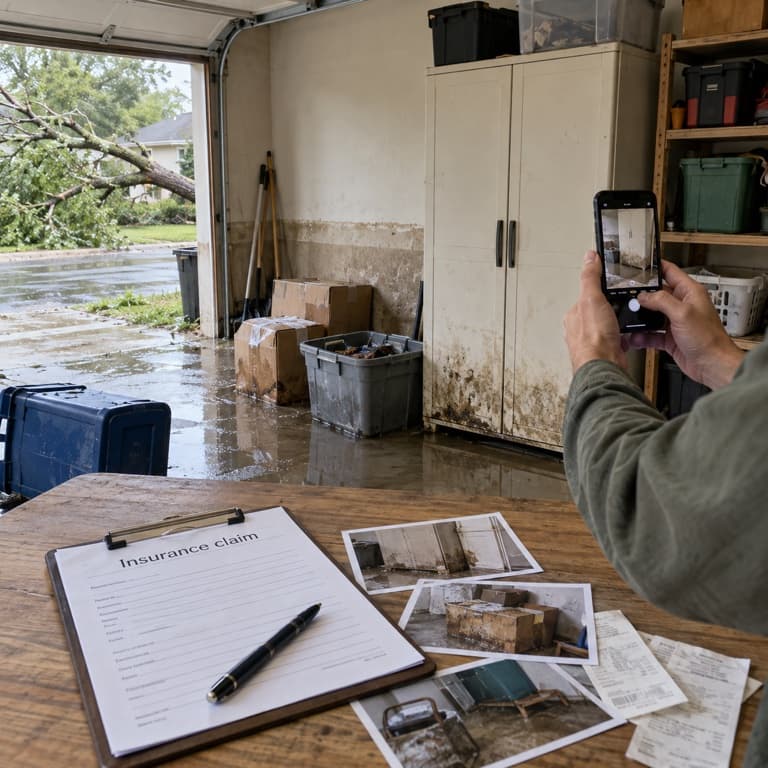
What belongs in an emergency information plan?
Include a way to find important contacts and documents, a record of physical belongings, and a plan for access if your usual phone or home is unavailable. Keep private account credentials out of ordinary inventories.
The CFPB’s emergency preparation guidance points to FEMA’s Emergency Financial First Aid Kit for a fuller checklist. Use that checklist to identify needs beyond this introductory household exercise.
- Contacts: household contacts and relevant insurers or service providers.
- Document index: where protected originals and copies can be accessed appropriately.
- Belongings records: recognizable photos, identifying details, and supporting purchase records where available.
- Access instructions: who can retrieve protected information and how they would do so without your everyday device.
What can I start in five minutes?
Use five minutes to make one useful entry and schedule the larger work. Do not treat the time limit as proof that your emergency planning is complete.
- Pick one record destination. Use a protected system you understand and can maintain.
- Save essential contact details. Begin with one household contact and the insurer or agent you would call about property damage.
- Index one important document. Record its secure storage location without putting confidential content in a broadly shared note.
- Photograph one area. Take recognizable views of belongings and close-ups of important identifying details when safely accessible.
- Set a follow-up. Choose time to complete the checklist, protect copies, and test access.
What makes a belongings record useful for insurance discussions?
Clear identification and supporting records help describe what you owned. An inventory does not determine coverage, value, or whether a claim will be paid.
The NAIC’s home inventory guidance explains the role of an inventory. Ask your insurer which details and evidence it needs for your policy rather than assuming a photograph alone is sufficient.
In a worked example, a camera record includes a recognizable photo, make and model, a readable serial-number image, and an available receipt. The owner checks how to retain copies away from the camera’s storage place. Purchase price, resale price, and policy settlement value should not be treated as interchangeable.
How do I protect records while keeping them accessible?
Separate ordinary reference material from sensitive records and test the access plan you choose. Protection that only you can unlock on one device may not serve the situation you are preparing for.
Consider appropriate secure physical storage and protected digital copies, then verify who can access them and under what conditions. Check the actual ratings of any protective container; do not assume a household box makes documents immune to fire or water.
Binly can hold useful belongings photos and item details. Keep credentials, identity records, and private medical or financial information in a suitable separate protected system. Review parent inventory and sharing visibility before attaching sensitive product records.
What should I check before relying on the plan?
Test whether the intended person can find and open the right information without relying on an unavailable device or room. Refresh the plan after relevant household or policy changes.
- Only one copy: establish and test another appropriate recovery location.
- Unreadable photos: retake important identifying details while access is easy.
- Public sharing used for convenience: choose access that matches the sensitivity of the material.
- Old contacts or policies: review the records after changes rather than waiting for an emergency.
Use a paper and digital filing workflow for the copies. Keep routine service history in a separate household management binder.
What are the most common questions?
These answers cover the practical choices you can make before expanding your setup.
Is a video walkthrough enough?
It can be a starting overview, but important details may be unreadable or hidden. Ask your insurer what supporting descriptions and records it needs.
Should I store passwords in my home inventory?
No. Use an appropriate protected credential system and its access options. A belongings record is not a password vault.
Can I share an inventory with someone I trust?
Binly offers account sharing and read-only links with different access scopes. Review the sharing tutorial and visibility before including private details; an accessible record does not grant legal authority to act.
Does this replace an estate plan?
No. It is a way to locate information and describe belongings. Formal authority and estate arrangements require their own suitable documents and advice.
Do I need every receipt before starting?
No. Begin with available photos and accurate details, and add supporting records as you find them. Label unknown dates or values rather than guessing.
For current plans and limits, see Binly pricing.
What should I do next?
Make one contact entry, index one protected document, and photograph one useful area. Then set aside time for the full checklist and an access test with the appropriate trusted person.
Start with one placeKeep reading: How to organize paper records, receipts, and digital files.