Organization Tips · 4 min read
How to find hidden duplicates and check household stock
To find hidden duplicates, choose one category, check its usual and overflow locations, and compare what is actually available. Keep useful point-of-use copies, group reserve stock where practical, and note what needs using or replacing. Check those places before shopping instead of assuming a missing item means the household has run out.
This guide helps with spare cables, pantry reserves, toiletries, and other supplies that disappear across several places. You will make a useful category check without counting every belonging in the home.
When is a duplicate useful rather than surplus?
A duplicate is useful when its location, purpose, or availability supports an actual need. Two pairs of scissors in different work areas may be more practical than one pair that constantly travels.
The question is not simply how many objects look alike. Check compatibility, condition, accessibility, and the cost or effort of being without a spare. An adapter that fits a different device is not an interchangeable duplicate.
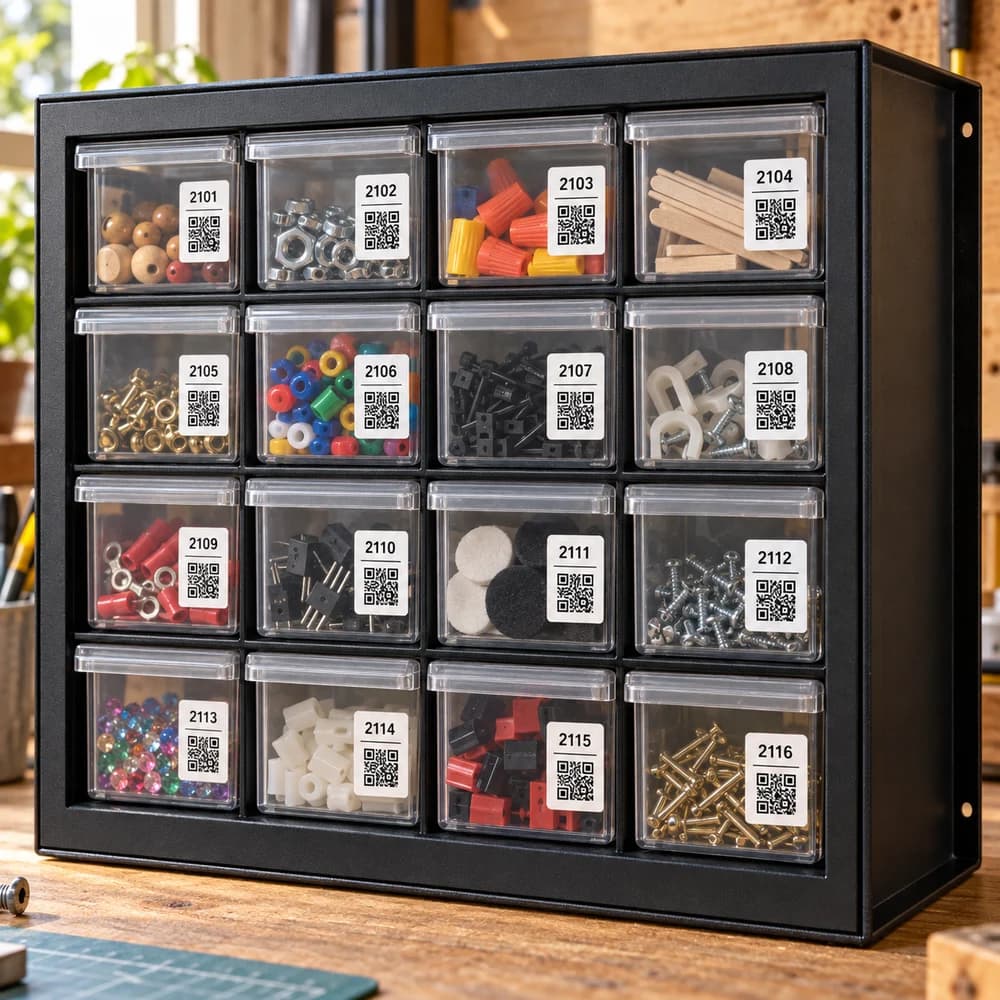
A category comparison can reveal total ownership even when you keep separate storage locations. See category-based inventory review for the distinction between comparing belongings and choosing where they live.
How do I audit one category of household supplies?
Check a defined group in its real storage places and turn the result into a shopping or placement decision. Gather items physically only when that is practical and appropriate.
- Choose a narrow group. Try unopened hand soap or USB-C charging cables rather than all bathroom or technology supplies.
- Check known locations. Include the active-use area, reserve shelf, travel bag, and any usual overflow. Note places you could not check.
- Compare like with like. Separate opened from unopened supplies and distinguish incompatible sizes or models.
- Choose useful placements. Keep active supplies near use and put reserves in a recognizable depot if that helps.
- Make a buying decision. Base it on current use, usable stock, available space, and any label instructions, not a generic quantity target.
- Record the odd location. Photograph or name the reserve place so the next check does not restart the search.
What would a stock check reveal before buying cables?
In this worked example, a household searches three drawers before ordering another charging cable. Comparing connectors and intended uses changes the shopping decision.
The check finds four cables: two suitable for phones, one older connector for an existing camera, and one damaged cable removed from use. One phone cable stays at the desk and the other in the travel bag. The camera cable stays with the camera.
There is no general surplus of four identical cables. A note or item record distinguishes the models and their locations. The household can now buy only what its actual needs require rather than replacing something that was merely hard to find.
What should I avoid when consolidating supplies?
Consolidate your knowledge of the supplies without compromising their labels, safe storage, or useful point-of-use locations. Centralizing everything physically is optional.
- Mixing chemicals or decanting without instructions: follow labels and the EPA’s household hazardous waste guidance; keep hazardous products identified and never mix leftovers.
- Removing useful local copies: keep duplicates where they save meaningful effort.
- Buying to fill a depot: available shelf space is not a reason to accumulate more.
- Trusting an old count: recheck fast-changing consumables before an important purchase.
If repeated incoming purchases are the issue, try a small intake filter rather than a larger reserve shelf.
How can Binly help me shop my home first?
Search saved item names and review current place photos before buying a replacement. Check the physical stock when the record may be incomplete or out of date.
Binly does not automatically sense consumption or purchases. Use an item quantity only when maintaining it is worth the effort; a useful photo of a reserve shelf may be enough for occasional supplies. For different models or locations, separate item records can be clearer than a single combined count.
What are the most common questions?
These answers cover the practical choices you can make before expanding your setup.
Must all matching supplies live in one place?
No. Keep active supplies near use when that helps. A reserve depot and clear location records can provide an overview without moving every local copy.
How much reserve stock should I keep?
Choose based on actual use, replenishment effort, available space, and product instructions. There is no useful universal number for every household and category.
Can I combine half-empty bottles?
Do not mix household chemicals or assume similar packaging means identical contents. Follow the product label and appropriate local disposal guidance.
Does an empty search result prove I need to buy something?
No. It means no matching saved record was found under that search. Try another word or known place and check physically when the inventory may be incomplete.
What if bulk buying saves money?
Compare the amount you can use and store with the real purchase saving. A lower unit price does not help if the stock becomes unusable or blocks needed space.
For current plans and limits, see Binly pricing.
What should I do next?
Choose one recurring shopping-list item and check its active and reserve locations. Record the useful storage places, then change the list only after comparing what is really available.
Start with one placeKeep reading: How to use mindful purchasing and simple household intake controls.